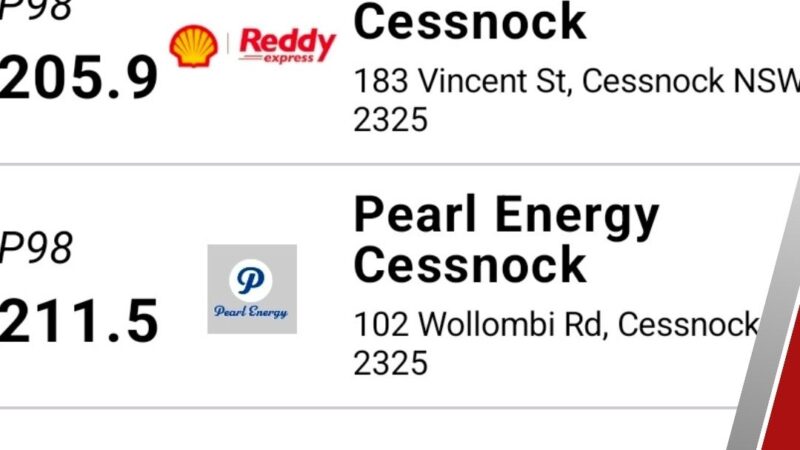
Rising fuel prices across Australia are beginning to place increasing pressure on small and medium-sized businesses, with many operators warning that continued increases could force price rises for customers or reductions in services.
With petrol and diesel prices fluctuating across regional areas, including parts of the Hunter Valley, businesses that rely heavily on transport, logistics, and regular travel are feeling the financial strain. From tradies and delivery drivers to farmers and service providers, fuel remains one of the most significant operating costs.
Transport and Delivery Costs Rising
For businesses that depend on vehicles every day, even small increases at the bowser can quickly add up. A 50-cent increase per litre can add hundreds of dollars per week to the operating costs of delivery vehicles, work utes, and service fleets.
Local transport operators say the rising cost of diesel is particularly concerning, as many trucks and commercial vehicles rely exclusively on diesel fuel. As these expenses climb, businesses are often left with difficult decisions: absorb the cost, reduce margins, or pass the increases onto customers.
For many small businesses already dealing with higher insurance premiums, electricity prices, and rent, fuel costs are becoming another financial pressure point.
Tradies and Mobile Services Feeling the Pressure
Tradespeople and mobile service providers—such as electricians, plumbers, and mechanics—are also seeing their operating costs increase as they travel between jobs.
Many rely on multiple vehicles, and fuel expenses can quickly become a significant portion of their weekly budget. In some cases, businesses are now reviewing travel distances, job pricing, and scheduling in an effort to keep costs manageable.
Financial analysts note that transport-related expenses are often one of the first costs businesses examine when reviewing their budgets during periods of rising inflation.
Impact on Local Supply Chains
Higher fuel prices also affect supply chains. Businesses that rely on deliveries—from construction materials to food supplies—often see transport surcharges added by suppliers when fuel costs rise.
These additional costs can ripple through the local economy, eventually affecting retail prices for consumers.
When freight companies face higher diesel costs, the increased expense often flows through to wholesalers and retailers, meaning businesses across many sectors may feel the impact.
Budget Pressures and Economic Uncertainty
Economic experts say that volatile fuel prices can create uncertainty for businesses trying to plan ahead. Many companies build fuel expenses into their operating budgets, but rapid price changes can make forecasting difficult.
Some businesses are now exploring ways to reduce fuel consumption, including more efficient routing, vehicle upgrades, or transitioning to hybrid and electric vehicles where possible.
Others are focusing on reviewing expenses more closely and adjusting pricing strategies to maintain profitability.
What It Means for Consumers
For consumers, rising fuel prices often translate into higher prices for goods and services. When transport costs increase, businesses may have little choice but to adjust pricing to remain sustainable.
The impact is especially noticeable in regional areas where travel distances are greater and public transport options are limited.
Industry groups say that while fuel prices will continue to fluctuate based on global oil markets, energy supply, and government fuel excise policies, businesses are likely to remain cautious about costs in the months ahead.
The Bigger Economic Picture
Fuel prices play a significant role in the broader economy. They influence transportation costs, supply chains, and household budgets across Australia.
As businesses continue to navigate rising operating expenses—including fuel, insurance, wages, and energy—many are watching closely to see whether prices stabilise or continue to climb.
For now, local businesses are focusing on adapting where possible, while hoping for some relief at the bowser in the months ahead.