Certainly, here’s the rewritten version as a news update:
Concerns Escalate as Hunter Water Reservoirs Face Rapid Depletion: Impending Water Restrictions on the Horizon
Alarming reports reveal a rapid decline in water levels across Hunter Water’s key drinking supply dams, with a staggering 1 percent reduction in storage capacity witnessed weekly.
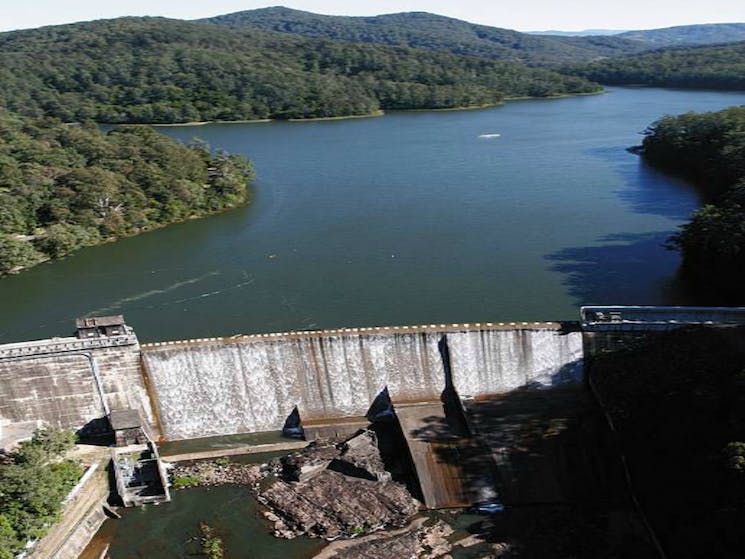
The Grahamstown and Chichester Dams, along with the Tomago and Tomaree Sandbeds, are under the direct management of the corporation, all experiencing a significant decrease in their water reserves.
The most critical drop has been recorded at the Chichester Dam, currently down by 42 percent compared to levels observed at the same time last year, according to data released by Hunter Water.
Storage levels collectively now stand at 85 percent, marking a substantial 15 percent decrease from last year’s full storage capacities across all four reservoirs.
Hunter Water’s managing director, Darren Cleary, voiced his concerns to ABC Newcastle, attributing the rapid decline to shallower water storages and unusually high rates of evaporation. “The current period has not only been unusually dry but also exceptionally warm,” Cleary remarked, highlighting the significant toll taken by the persistent weather conditions.
While acknowledging the positive impact of the recent wet spell on maintaining relatively healthy storage levels, Cleary cautioned that if the current climatic trends persist, the region might witness the imposition of water restrictions within the next five months.
“Should this prolonged spell of hot and dry weather persist, we anticipate our reserves to plummet to around 60 percent by March next year. At that critical juncture, we will be compelled to consider implementing water restrictions,” Cleary disclosed, underscoring the urgency of the situation.