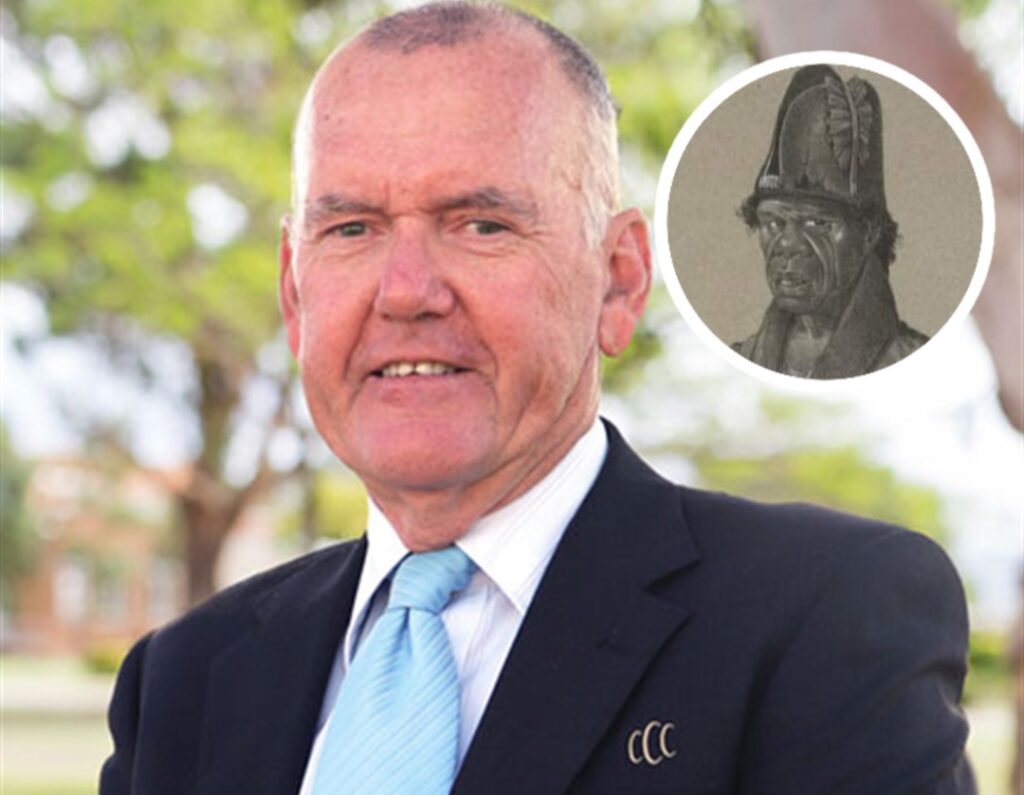
Recent comments made by Cessnock Cr Ian Olsen during a council meeting have ignited a heated debate about racism, cultural sensitivity, and accountability within local government. Barkuma Neighbourhood Centre has taken a stand against these remarks, leading to a petition calling for Cr Olsen’s removal from the council. As the community’s discontent grows, it is essential to examine the implications of such statements and explore the importance of fostering a culture of inclusivity and respect within our political institutions.
During a Council Meeting on April 19th, councilors convened to discuss proposed changes to the unreasonable customer services policy. This policy aimed to ensure that cultural differences were taken into account when evaluating the reasonableness of a customer’s actions. It was during this discussion that Cr Olsen made remarks that have since sparked controversy.
Cr Olsen, who had recently faced censure following a complaint against him, used himself as an example to assert that abuse should be treated equally, regardless of cultural background. In his statement, he exclaimed, “Abuse is Abuse or I’ll claim I’m Aboriginal.” These words have deeply offended the Barkuma community, as they perceive them as dismissive of the significance of cultural diversity and lacking an understanding of the historical and ongoing challenges faced by marginalized groups.
In response to Cr Olsen’s comments, Barkuma Neighbourhood Centre took swift action by launching a petition demanding the removal of Cr Ian Olsen from the council. The petition has garnered significant support, with 250 people already signing in agreement on change.org. This community-led initiative aims to send a clear message that racial insensitivity and derogatory remarks have no place in local government.
Councilor Ian Olsen has taken to social media, responding to the allegations by highlighting his own Aboriginal heritage dating back to his great great grandmother. He emphasized his belief in equality and stated that he does not play “the Aboriginal card” but rather advocates for equal treatment for all individuals. While his intention may have been to highlight the importance of treating everyone equally, his choice of words has further intensified the controversy.