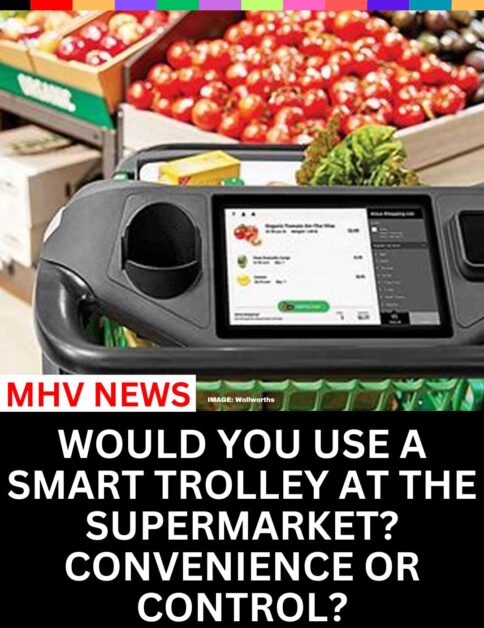
Imagine walking into your local supermarket, grabbing a trolley equipped with a touchscreen, and embarking on a shopping experience that feels like something out of a science fiction movie. As you place items into your cart, the trolley scans them, keeping a running total of your purchases. No more standing in long checkout lines or fumbling with cash at the register. Instead, you pay directly through the trolley and head straight to your car. It sounds incredibly convenient, doesn’t it? But as with all technological advancements, the question arises: is this innovation designed solely for your benefit, or is there more to it than meets the eye?
The concept of smart trolleys has captured the imagination of retailers and shoppers alike. They promise to revolutionize the way we shop, making the process faster, easier, and more personalized. From built-in barcode scanners to automated payment systems, these trolleys aim to streamline the shopping experience, turning a mundane chore into an efficient task. For many, the thought of never having to queue at the checkout is reason enough to embrace the change. Yet, as we delve deeper, the benefits of this technology seem to align closely with the interests of supermarkets themselves.
One of the most compelling advantages of smart trolleys is their potential to save time. Supermarkets are notorious for long checkout lines, especially during peak shopping hours. With a smart trolley, the scanning and totaling of items happen as you shop, eliminating the need for traditional checkouts altogether. This not only makes the process more efficient but also reduces the frustration of waiting in line, particularly for those with busy schedules or young children in tow.
Smart trolleys also offer an added layer of financial awareness. As you shop, the trolley’s screen displays a running total of your purchases, helping you stay within your budget. For consumers who often face sticker shock at the register, this feature could be a game-changer. By seeing the total in real-time, shoppers are less likely to overspend or make unnecessary impulse buys.
Then there’s the potential for personalization. A smart trolley could integrate with loyalty programs or shopping apps, greeting you by name and suggesting items based on your purchase history. Forgot to grab milk? The trolley might remind you. Curious about discounts on your favorite products? The trolley could alert you in real-time. These features make shopping more intuitive and tailored to individual preferences, enhancing the overall experience.
Yet, as exciting as these possibilities sound, it’s crucial to consider what supermarkets stand to gain from this innovation. On the surface, it appears to be a win-win scenario: consumers enjoy greater convenience, while retailers streamline operations. But when examined closely, it becomes evident that the benefits for supermarkets extend far beyond improved customer satisfaction.
One of the most significant advantages for supermarkets lies in data collection. A smart trolley is not just a shopping aid; it’s a data-harvesting tool. It tracks your every move in the store, from the items you place in your cart to the ones you pick up and put back. Even the routes you take through the aisles can provide valuable insights into your shopping habits. This treasure trove of data allows retailers to optimize store layouts, refine product placement, and develop targeted marketing strategies. In essence, the trolley becomes a window into your preferences, behaviors, and spending patterns.
Another incentive for supermarkets is the potential reduction in labor costs. As smart trolleys eliminate the need for traditional checkout processes, the demand for cashiers and checkout staff diminishes. While this might seem like a natural progression in the age of automation, it raises concerns about job displacement. For every technological advancement, there is often a human cost, and the introduction of smart trolleys could result in significant job losses in an already precarious employment landscape.
Smart trolleys also offer supermarkets new opportunities for upselling. Equipped with screens capable of displaying ads and promotions, these trolleys can subtly encourage you to spend more. For instance, if you place a tub of salsa in your cart, the trolley might suggest pairing it with a specific brand of chips or a premium guacamole. These nudges may seem helpful, but they are designed to increase your total spend, benefiting the retailer more than the consumer.
Additionally, smart trolleys align seamlessly with the growing trend toward cashless transactions. By integrating contactless payment systems directly into the trolley, supermarkets further reduce their reliance on cash. While this may seem like a logical step forward, it also contributes to a broader shift toward a cashless society, where corporations and financial institutions gain greater control over how money flows.
For those willing to entertain a more conspiratorial perspective, the implications of smart trolleys become even more unsettling. Could this technology be another step toward eroding consumer privacy? Every scan, every movement, and every purchase feeds into a larger ecosystem of surveillance and data analysis. Retailers might argue that this data is used to improve customer experience, but the potential for misuse or overreach cannot be ignored. Who owns this data, and how is it being stored, shared, or sold? These are questions that demand transparency.
Moreover, the ability to manipulate consumer behavior in real time is a powerful tool. With the insights gained from smart trolley data, supermarkets could engineer shopping environments to nudge customers toward specific behaviors. From playing certain types of music in different aisles to strategically placing promotions based on your shopping habits, the potential for subtle, even subconscious, influence is vast.
Lastly, there’s the issue of anonymity—or the lack thereof. In a world of smart trolleys, maintaining privacy becomes increasingly difficult. Linking your trolley to a loyalty program or payment method creates a detailed profile of your habits, preferences, and routines. While this might not bother some shoppers, it raises important questions about how much personal information we’re willing to trade for convenience.
The introduction of smart trolleys represents a fascinating intersection of technology and consumerism. For shoppers, the benefits are clear: time-saving, budget-consciousness, and a more personalized experience. But as we embrace this innovation, it’s worth asking who benefits most from its adoption. Supermarkets undoubtedly gain valuable data, reduced labor costs, and greater control over consumer behavior. As with any technological advancement, it’s essential to balance the convenience offered against the potential costs to privacy, autonomy, and employment.
Would you use a smart trolley? The answer may depend on whether you value convenience over control—or whether you’re comfortable navigating the blurred lines between the two.