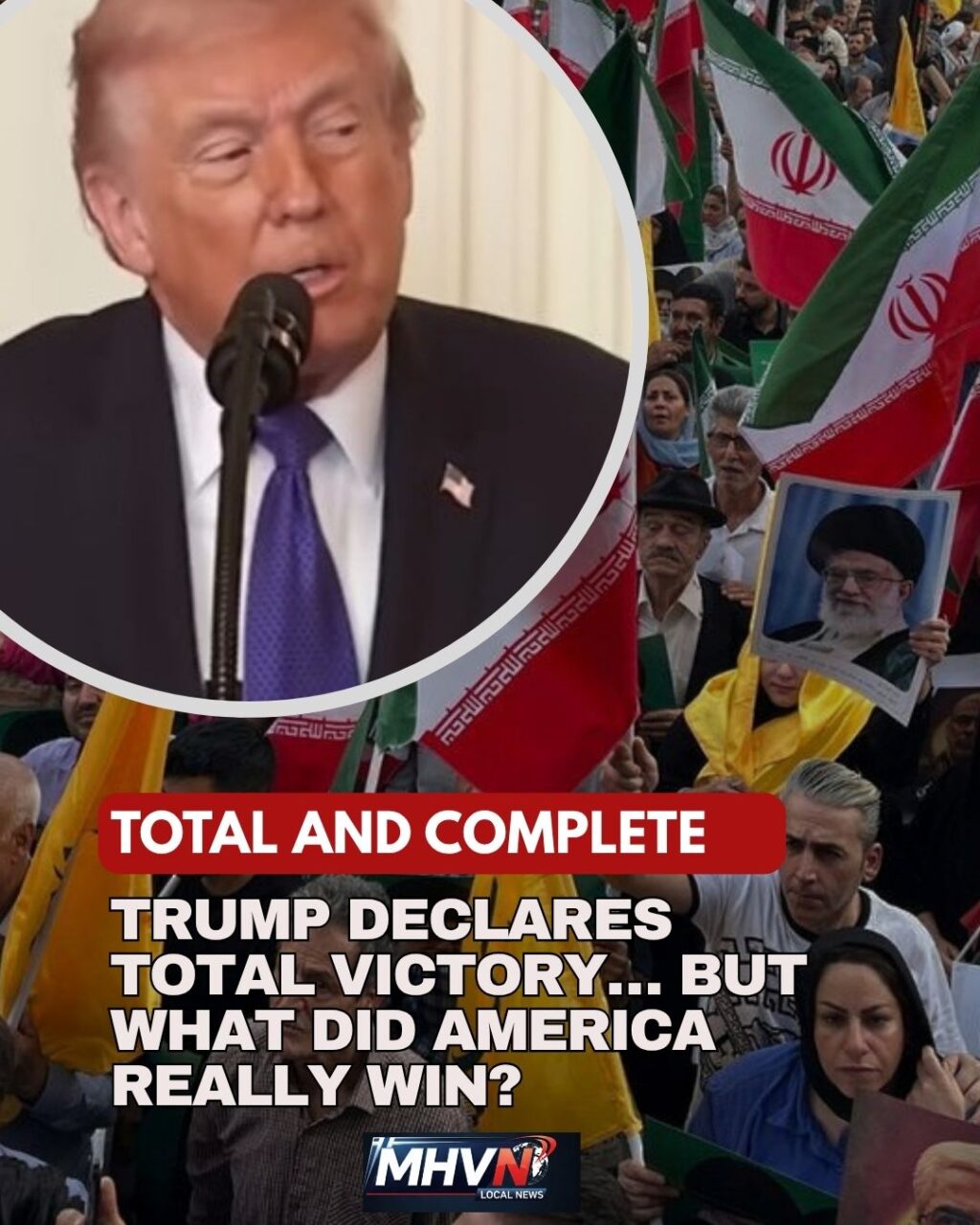
If this were really a “total victory,” you wouldn’t need to announce it. You wouldn’t need press conferences, statements, or carefully worded declarations. People would just know.
Because when people win—really win—they celebrate. They flood the streets. They wave flags. They sing. They cheer. It’s instinctive. It’s human nature.
And yet, when Donald Trump declared total victory over Iran… nothing happened.
No crowds. No flags lining every street. No spontaneous national celebration. No sense—anywhere—that the United States had just achieved what we’re being told is one of the greatest military victories in history.
So that raises an obvious question: if this was such a decisive win… why doesn’t it feel like one?
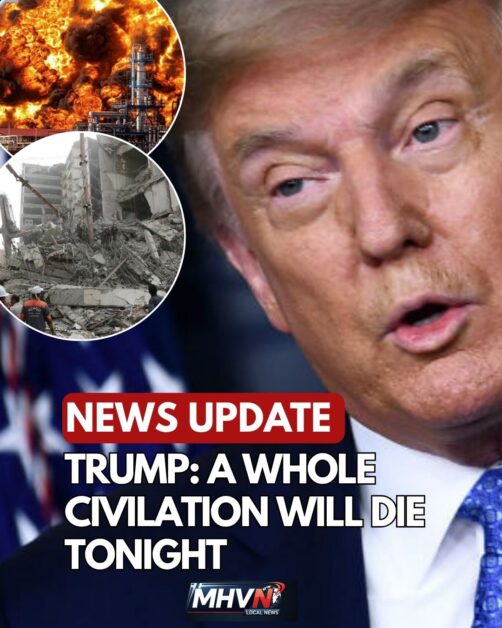
Because just hours before that declaration, the tone coming out of Washington was disturbing. Even Trump supporters paused. Talk of destroying bridges, power stations, critical infrastructure—the kinds of targets that don’t just pressure governments—they affect entire populations. You could almost hear the collective reaction: Did he really just say that?
And then something happened that no one in Washington seemed prepared for.
The Iranian people didn’t turn on their government. They didn’t revolt. They didn’t collapse.
They rallied.
Ordinary people—families—took to the streets, not in protest, but in defense of their way of life. They stood in front of bridges. Power plants. Critical infrastructure. Human shields—not for politicians, but for survival. For the ability to live, to work, to feed their families.
And when the ceasefire was announced?
It didn’t look like defeat.
It looked like victory.
Crowds filled the streets. Flags waving. Celebrations that went late into the night. The kind of raw emotion you only see when people believe they’ve endured something—and survived it.
Like a last-minute goal in the 89th minute.
Now step back. The United States is undeniably the more advanced military. Its weapons systems are unmatched. And yes, they hit hard—thousands of targets, major infrastructure damage, leadership taken out.
But wars aren’t just about firepower.
As Rocky Balboa said: “It ain’t about how hard you hit. It’s about how hard you can get hit and keep moving forward.”
And by that measure, things start to look very different.
Because Iran didn’t fold.
They kept firing—drones, missiles—targeting bases, damaging systems, imposing real costs. They took the hits—and they kept moving forward.
And now we have to confront the real cost of this so-called victory: billions of dollars spent, the lives of 13 American soldiers lost, and hundreds more injured, some of them forever changed.
So let’s ask the uncomfortable question: what did the U.S. actually win?
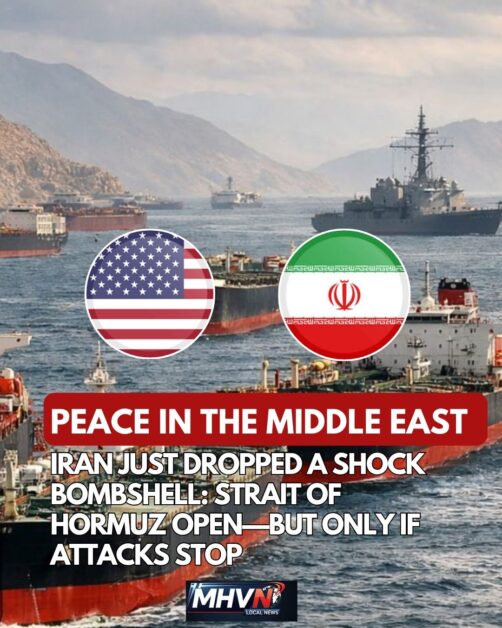
We didn’t take control of Iran’s oil. We don’t control the flow of oil through the Strait of Hormuz. The regime is essentially the same. Iran still possesses uranium. Long-term peace? Not achieved.
So… what did we get?
Billions burned. Lives shattered. A nation left with leverage over the world’s energy lifeline—not the U.S. And a conflict that, for now, ends not in surrender, but in a negotiated halt.
If your opponent is still standing… still fighting… and celebrating in the streets at the end of it—was it really a knockout?
Or is that just the story you’re being told?
Because real victories don’t need headlines. They speak for themselves.
More Stories