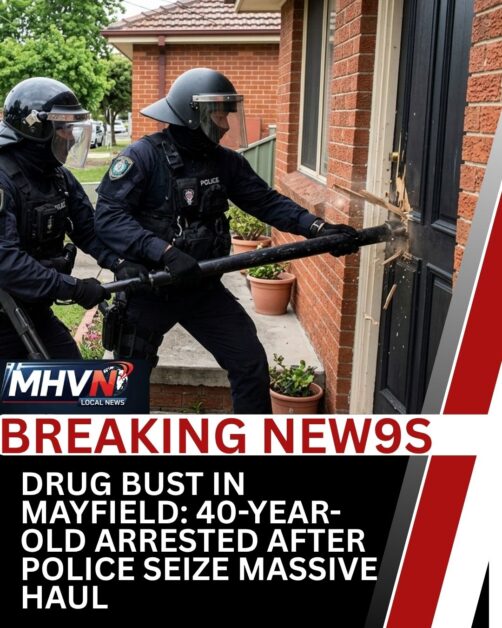
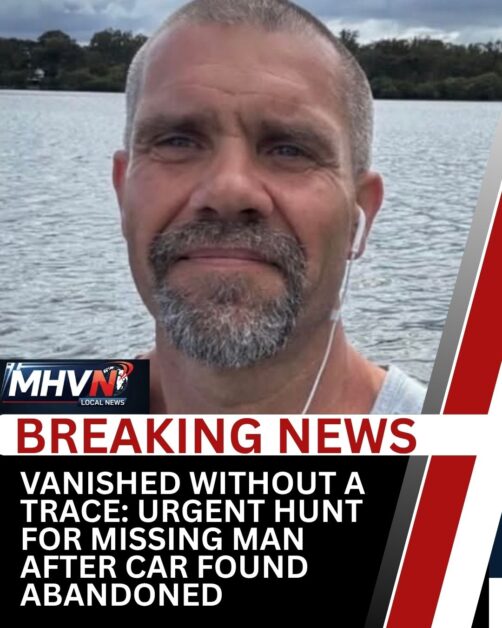
Jake Harold Allen, 35, faced the Cessnock Local court via video conference this week, where he was sentenced to 15 months in prison for a series of serious offences. Allen, who has been in custody since his arrest earlier this year, was found guilty of several crimes, including the unlawful filming of a person in a private act without their consent, drug supply, and the manufacture of prohibited substances. The sentence, handed down by the court, follows the revocation of a previously issued Community Correction Order (CCO) that Allen had been under since August 2023.
The court session, conducted via video conference, saw Allen represented by his solicitor, while Sergeant Woodcroft acted as the prosecutor for the NSW Police. The court’s decision to revoke Allen’s Community Correction Order was a critical turning point in the proceedings. This revocation meant that Allen, who had previously avoided jail time by agreeing to comply with the conditions of his CCO, would now face a prison sentence. The court found that Allen had breached the conditions of his CCO by committing further offences while still under the order, leaving the court no choice but to revoke it and impose a custodial sentence.
Allen’s prison sentence is an aggregate term of 15 months, scheduled to commence on April 7, 2024, and conclude on July 6, 2025. The sentence includes a non-parole period of five months, making Allen eligible for release on parole today September 6, 2024. The offences for which Allen was convicted span a range of illegal activities, with each crime contributing to the overall length of his prison sentence.
The court detailed several key offences as part of Allen’s sentencing:
- Filming a Person in a Private Act Without Consent: One of the more serious charges involved Allen secretly filming a person engaged in a private act without their consent. This violation of privacy carries a significant sentence, with the court imposing an indicative term of 4 months for this offence.
- Supply of a Prohibited Drug: Allen was also convicted of supplying a prohibited drug, an offence that carries severe penalties under Australian law. The court sentenced Allen to 12 months in prison for this crime, reflecting the seriousness of the offence.
- Manufacture of a Prohibited Drug in Small Quantities: In addition to supplying drugs, Allen was found guilty of manufacturing prohibited drugs. The manufacture of even small quantities of drugs is considered a grave offence, and the court imposed a 9-month prison sentence for this charge.
- Custody of a Knife in a Public Place: Allen was also convicted of carrying a knife in a public place, a dangerous offence that poses a risk to public safety. The court sentenced him to 6 months in prison for this offence, emphasizing the importance of deterring such behavior.
The court also considered several other charges, for which Allen was convicted but received no additional custodial penalties:
- Possessing Instructions for Drug Manufacture: Although convicted for possessing instructions related to drug manufacture, the court chose not to impose an additional penalty under Section 10A of the Crimes Act, likely considering this offence in conjunction with the more severe charges already on record.
- Hindering or Resisting a Police Officer in the Execution of Duty: Allen was also found guilty of resisting a police officer during his arrest. The court again opted not to impose an additional penalty for this offence, though the conviction still stands.
The sentencing reflects the court’s commitment to addressing a range of criminal activities that harm both individuals and the community. The unlawful filming charge highlights the increasing focus on privacy violations in an age where technology can be misused to exploit others. Meanwhile, the drug-related offences underscore the ongoing challenges law enforcement faces in curbing the illegal drug trade and the dangers it poses to public health and safety.
Allen’s case also draws attention to the consequences of breaching a Community Correction Order. Initially intended as an alternative to prison, a CCO offers offenders an opportunity to rehabilitate while remaining in the community under strict conditions. However, Allen’s subsequent criminal activities during this period led to the revocation of his CCO, resulting in a prison sentence.
The court’s decision to impose an aggregate sentence for Allen’s offences indicates a comprehensive approach to addressing his criminal behavior, ensuring that each offence is appropriately penalized while balancing the overall length of the sentence. Allen will serve his non-parole period before being considered for release in September 2024, at which point he will be subject to the conditions of parole for the remainder of his sentence.
The case serves as a stark reminder of the severe consequences of engaging in criminal activity, particularly offences involving privacy violations, drug supply, and weapons possession.