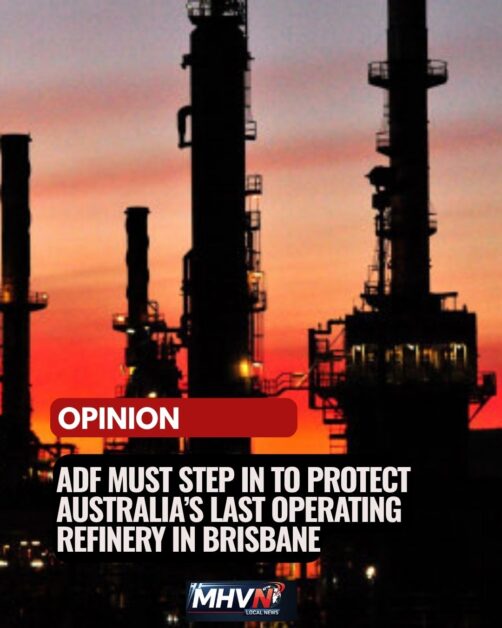
ADF Must Step In to Protect Australia’s Last Operating Refinery in Brisbane
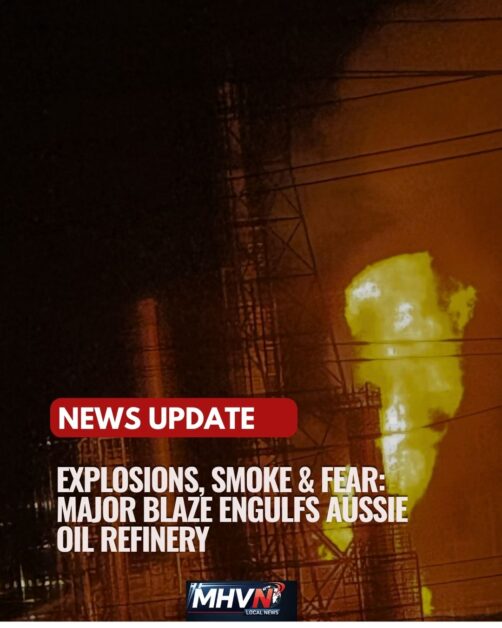
The fire at the Geelong Refinery should have been a wake-up call. Not just for Victoria—but for the entire country.
Because what it exposed wasn’t just a single incident. It exposed a dangerous reality: Australia’s fuel security is now hanging by a thread.
With refining capacity reduced to the bare minimum, the nation is increasingly reliant on overseas imports and vulnerable supply chains. That might work in stable times—but these are not stable times. Global tensions, shipping disruptions, and economic uncertainty have made one thing clear: relying on others for critical resources is a gamble.
And right now, Australia is gambling with fuel.
Fuel isn’t optional. It powers transport, keeps supermarket shelves stocked, supports emergency services, and underpins national defence. Without it, the country doesn’t just slow down—it stalls.
That’s why the idea of leaving our last major refinery without the highest level of protection simply doesn’t make sense.
The Australian Defence Force exists to protect Australia’s national interests. And in 2026, that must include critical infrastructure like fuel production. Because in a modern world, national security isn’t just about borders—it’s about resilience.
Right now, the facility is effectively sitting exposed. A single point of failure in a high-risk environment, without the kind of hardened security posture you would expect for an asset this critical.
What’s required is not symbolic protection, but layered, real-world deterrence.
That means a hard physical perimeter barrier designed to prevent and delay lone-wolf vehicle attacks. It means controlled access zones, reinforced infrastructure, and continuous surveillance. It also means modern counter-drone and airspace monitoring systems to detect and disrupt aerial threats before they become a problem. And it means a security posture that acknowledges a simple truth: critical infrastructure is now a potential target in a complex global threat environment.
The threat landscape has changed. It’s no longer just conventional warfare. It’s sabotage, cyber disruption, asymmetric attacks, and external threats that can emerge without warning. And all it would take is one successful incident to knock out a key facility and send shockwaves through the entire economy.
We’ve already seen how quickly things can go wrong.
The Geelong refinery fire may have been contained—but next time, Australia might not be so lucky.
This is where leadership matters.
A visible, strategic presence from the ADF—supporting perimeter security, strengthening defences, and ensuring robust counter-threat capability—would send a clear message: Australia is no longer willing to leave its most critical assets exposed.
We urge the Anthony Albanese Government to take immediate action to protect this vital asset before Australia is forced to confront the consequences of inaction.
Because once a refinery goes offline, the consequences are immediate. Supply shortages. Price spikes. Panic buying. A scramble to secure imports in a volatile global market.
By then, it’s already too late.
The lesson from Geelong is simple: don’t wait for disaster to force action.
Act now—or deal with the consequences later.
Comments
More Stories You Might Like